General Surgery

Robotic-Assisted Gallbladder Removal

The gallbladder is a small pouch that sits underneath the right side of the liver. Its function is to store the bile produced by the liver, which aids in the digestion of fats. When the gallbladder is not functioning properly usually develops small gallstones which can be easily seen on ultrasound. Common symptoms of gallbladder disease include upper abdominal pain and nausea, especially after eating a meal that is high in fat.

Usually, the best treatment for a defective gallbladder is to simply remove it. This is done robotically with 4 tiny incisions. It is usually performed on an outpatient basis, and most people are back to work within a few days.

Robotic-Assisted Anti-Reflux Surgery

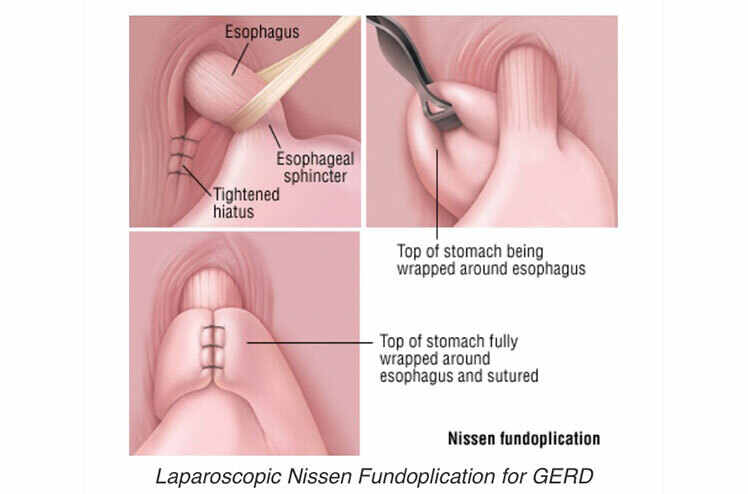
Gastroesophageal reflux disease (or GERD) is a condition where food or stomach acid comes back up into the esophagus from the stomach. A hiatal hernia is an enlarged opening in the diaphragm at the junction between the esophagus and stomach, and may worsen reflux symptoms. Common symptoms include heartburn and food or liquid coming up into one’s throat, especially when lying flat at night. Mild to moderate cases can usually be treated with dietary modification and acid-blocking medications such as Prilosec. More severe cases may require surgery.

To correct the problem surgically, the hiatal hernia is closed with stitches, and the stomach is wrapped around itself to create a one-way valve that blocks the stomach contents from escaping. The operation is done robotically, making for a relatively short recovery period.

Robotic-Assisted Hernia Repair

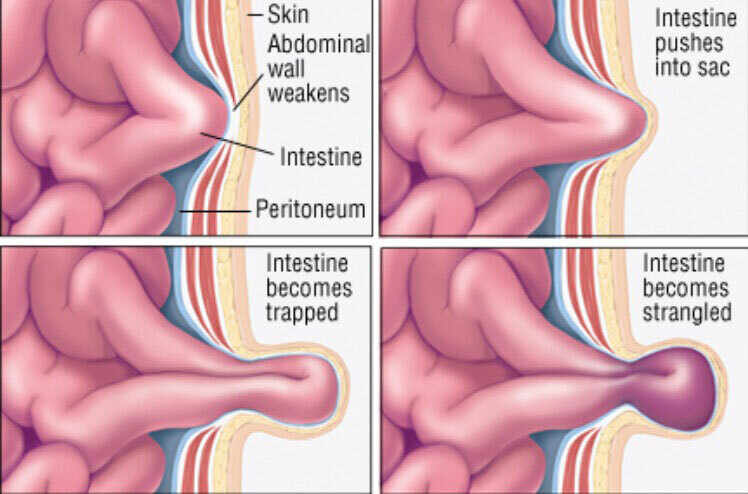
A hernia is a defect or hole in the muscular lining of the abdominal cavity. Common sites include the groin, the belly button, or the site of a previous surgical incision. Usually, a bulge can be noted at the site of the hernia, and it is frequently painful. If a loop of intestine gets caught in this opening, hernias can become quite dangerous and even life-threatening.

Fortunately, most hernias can be repaired before serious complications occur. Many of these procedures are done robotically and frequently involve placing a small piece of mesh in the opening to reinforce the closure.